
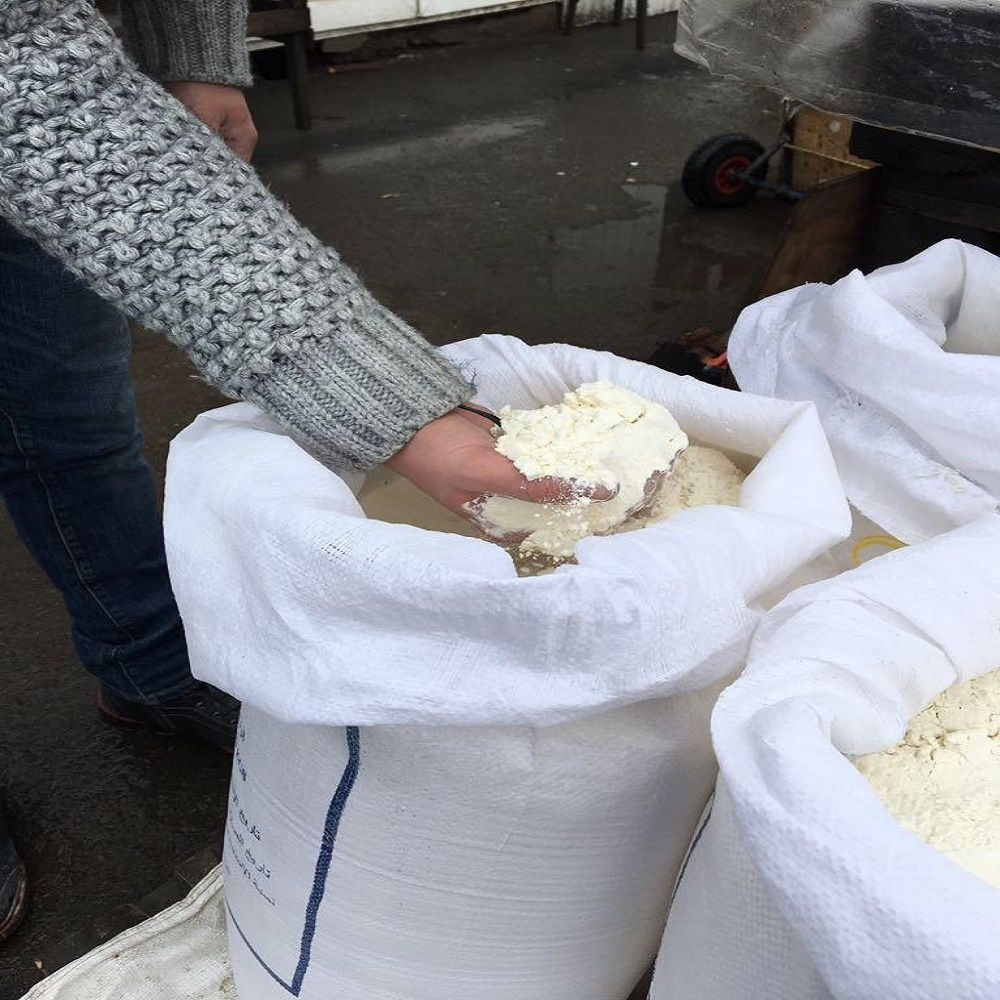
Wholesale All-Purpose Milling Wheat Flour Grade 25kg
Description:
Wheat flour is a finely ground powder made from wheat grains. It is one of the most widely used ingredients in cooking and baking, forming the basis for a vast array of products including bread, pastries, pasta, and more.
Characteristics and Composition
Appearance:
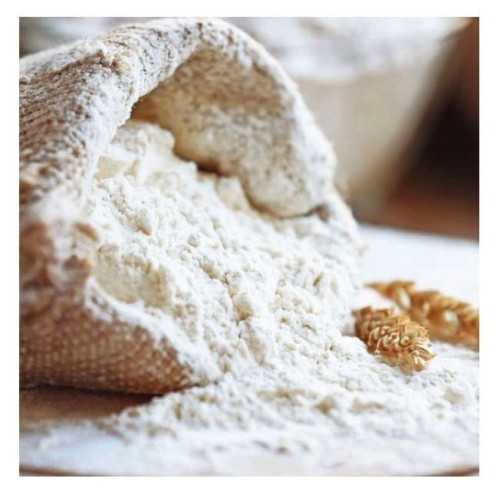
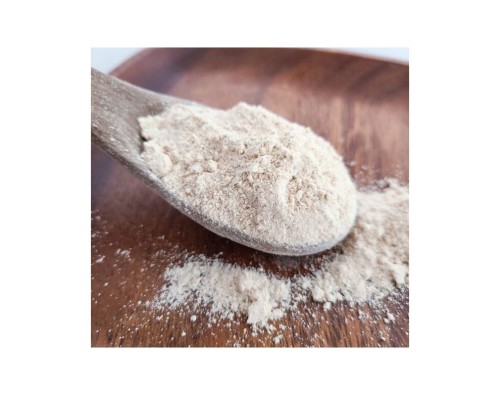
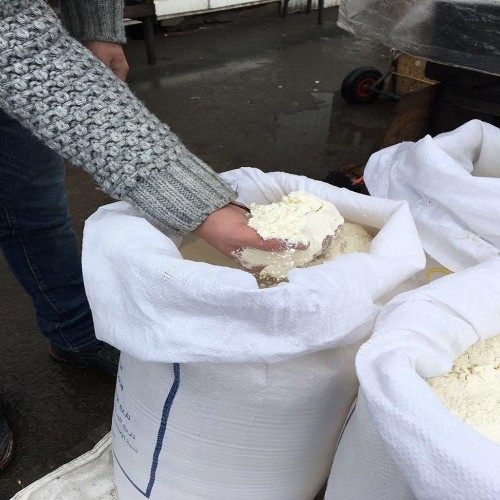
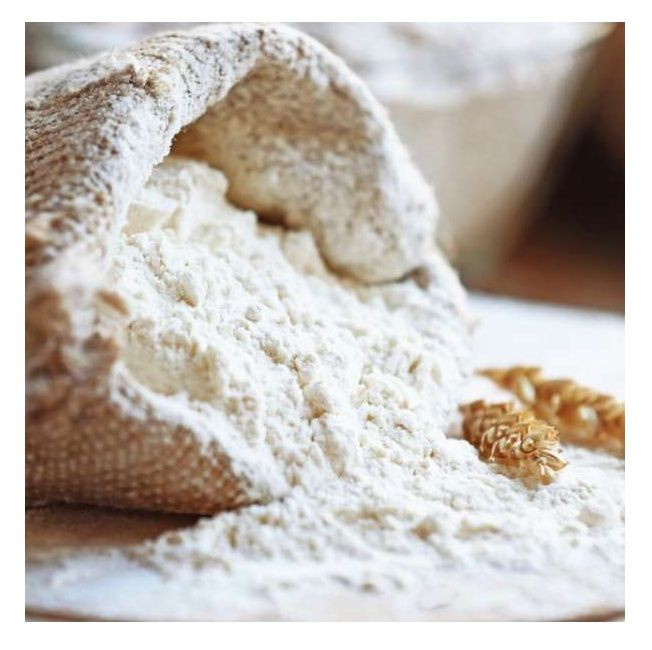
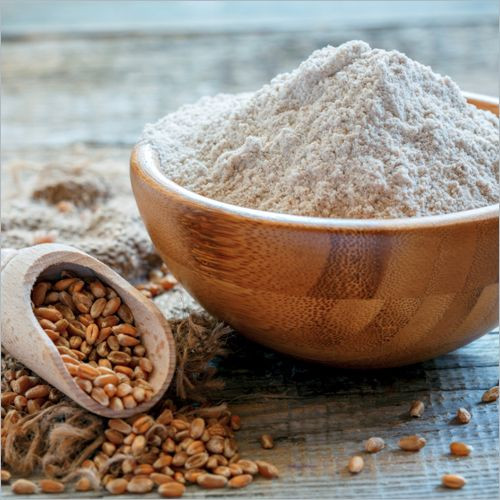
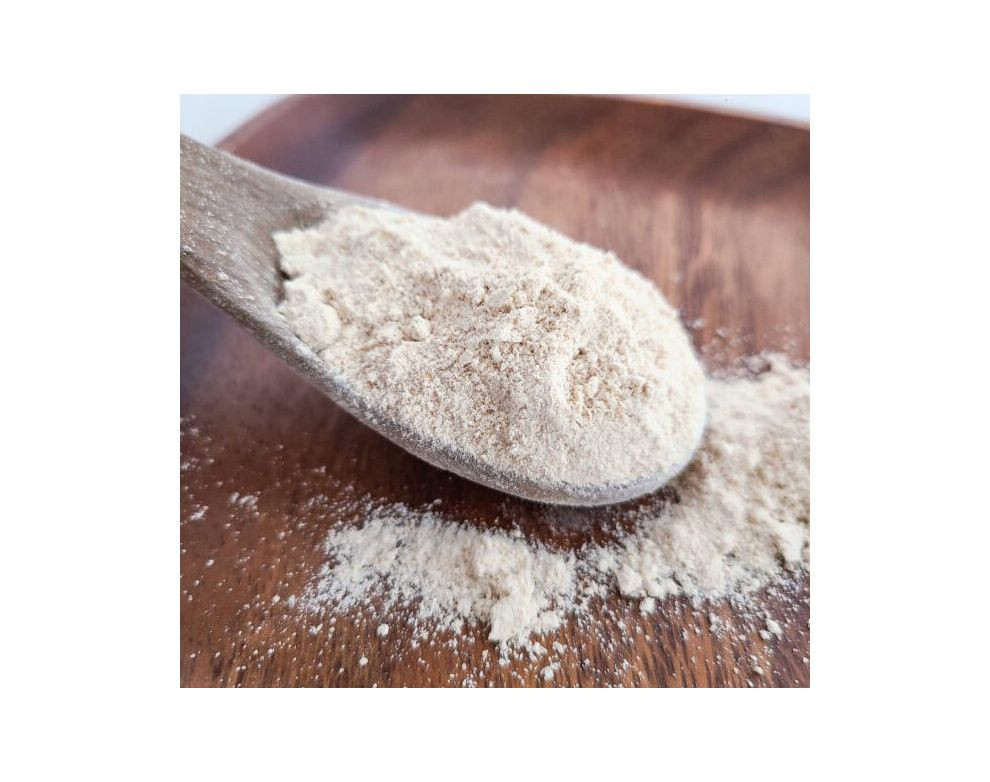
Wheat flour is typically white or off-white, with a fine, powdery texture. It can vary in color and texture depending on the type of wheat used and the degree of milling.
Types of Wheat Flour:
All-Purpose Flour: Made from a blend of hard and soft wheat, suitable for a wide range of baking and cooking needs.
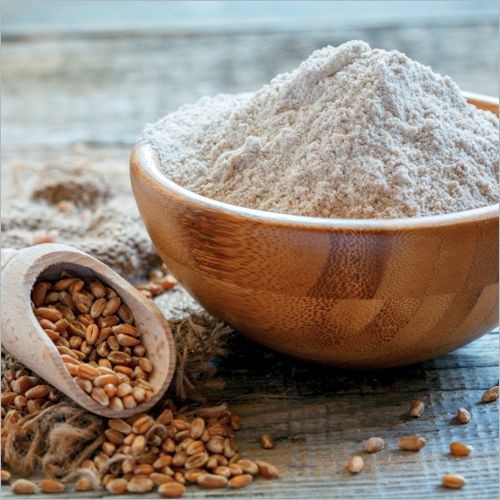
Whole Wheat Flour: Contains the entire wheat kernel, including the bran, germ, and endosperm, offering a denser texture and higher nutritional content.
Bread Flour: High in protein (gluten) content, ideal for yeast breads.
Cake Flour: Lower in protein, finely milled, producing a soft, tender crumb ideal for cakes and pastries.
Pastry Flour: Slightly higher in protein than cake flour, used for pastries and cookies.
Self-Rising Flour: Contains added baking powder and salt, used for quick breads and biscuits.
Nutritional Profile:
Carbohydrates: Primary source of energy.
Protein: Contains gluten, which gives dough its elasticity.
Fat: Low in fat.
Vitamins and Minerals: Contains B vitamins (thiamin, niacin), iron, and in the case of whole wheat flour, higher levels of fiber and micronutrients.
Production Process
Wheat Cleaning: Wheat grains are cleaned to remove impurities.
Milling: The cleaned wheat is milled using a series of rollers that crush and separate the kernel into its components. For white flour, the bran and germ are removed, leaving mostly the endosperm.
Sifting: The milled wheat is sifted to separate the finer flour from coarser particles.
Enrichment (Optional): Some flours are enriched with vitamins and minerals to replace nutrients lost during milling.
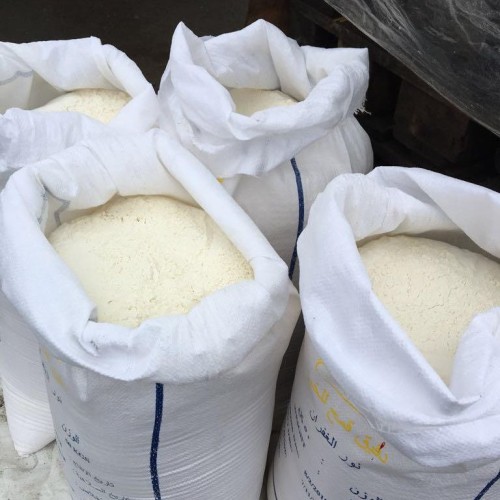
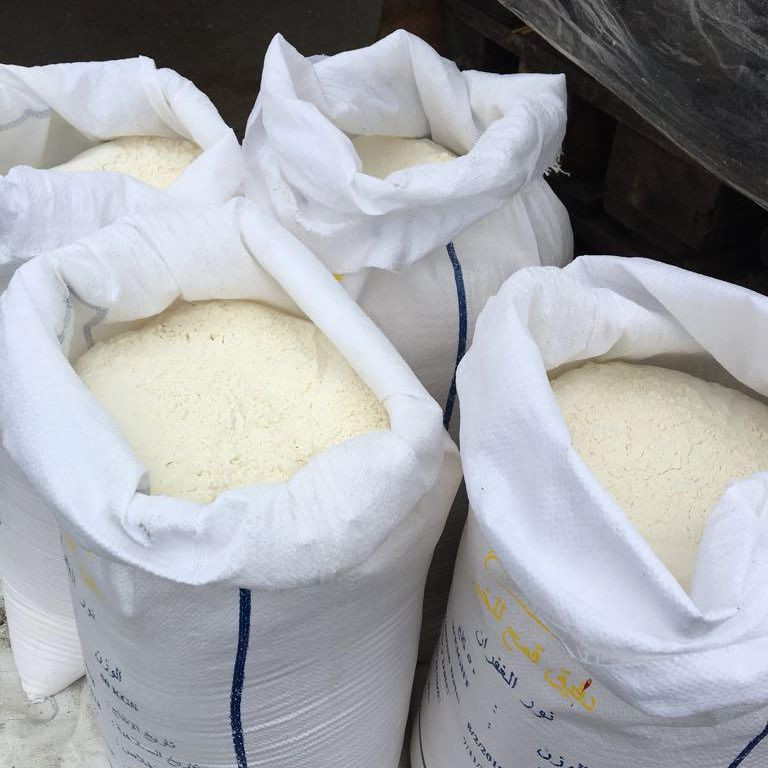
Packaging: The flour is packaged in moisture-resistant bags or containers for distribution and storage.
Uses and Applications
Baking and Cooking:
Wheat flour is essential in baking and cooking, with key applications including:
Bread: Provides structure and texture to bread, with different types of flour used for various bread types.
Pastries and Cakes: Used for making cakes, cookies, pies, and other baked goods.
Pasta and Noodles: Forms the base for many pasta and noodle recipes.
Thickening Agent: Used to thicken sauces, gravies, and soups.
Food Industry:
Processed Foods: Integral ingredient in processed foods such as snacks, breakfast cereals, and ready-to-eat meals.
Breading and Batter: Used in breading for fried foods and batters.
Benefits and Considerations
Benefits:
Versatility: Suitable for a wide range of culinary applications.
Nutritional Value: Provides essential nutrients like carbohydrates and protein.
Availability: Widely available and affordable.
Considerations:
Gluten Sensitivity: Contains gluten, which can cause adverse reactions in individuals with celiac disease or gluten sensitivity. Gluten-free alternatives are available.
Storage: Proper storage is necessary to prevent spoilage and maintain quality. Flour should be kept in a cool, dry place.
Shelf Life: Whole wheat flour has a shorter shelf life than white flour due to the presence of oils in the bran and germ, which can go rancid.
Storage and Handling
Wheat flour should be stored in a cool, dry environment to maintain its quality. Recommended practices include:
Sealed Containers: Use airtight containers or bags to protect against moisture and pests.
Clean Storage Area: Ensure the storage area is clean and free from contaminants.
Proper Labeling: Follow storage instructions and expiration dates provided on the packaging.